When it comes to restoring your hair, one of the first choices patients face is between two proven procedures: FUE (Follicular Unit Extraction) and FUT (Follicular Unit Transplant). Both can be effective, lasting, and natural-looking when performed by an experienced, medically licensed hair transplant surgeon.
Many patients want to understand the difference between FUE and FUT hair transplants. The right choice depends on several key factors outlined below. The difference comes down to how each fits your lifestyle, hair type, and goals.
At The Hair Loss Doctors By Robert J. Dorin, we offer both techniques at our surgical headquarters and allow each patient to determine which is best suited for their individual situation.
Every treatment at The Hair Loss Doctors By Robert J. Dorin is physician-led from start to finish.
Dr. Dorin personally performs both FUE and FUT procedures, never delegating critical steps to technicians. This hands-on approach ensures every graft is handled with precision and every hairline is designed with artistic intent.
NOTE: this level of artistry is often underappreciated by patients who choose other providers and are later disappointed by artificial results.
Recognized by Spex Hair as one of the World's Top 30 Hair Transplant Doctors since 2020, Dr. Dorin is known for natural results, meticulous attention to detail, and honest consultations. Our philosophy is simple: combine advanced surgical methods with aesthetic expertise to restore not only your hair, but your confidence.
FUE involves removing individual hair follicles from the donor area (typically the back or sides of the scalp) and carefully placing them into thinning or balding areas. Because it does not require removing a strip of scalp (like the FUT), the process is minimally invasive and recovery is comparatively quicker.
Each follicle is placed one at a time, following your natural growth patterns. This attention to detail makes FUE an excellent option for patients who value subtle, refined results.
To learn more, visit here.
FUT, also known as ‘the strip method’, removes a narrow section of scalp from your donor area. The follicles are then microscopically prepared and transplanted into the recipient sites. While FUT leaves a thin, linear scar, it can yield a higher number of grafts in a single session.
Because the grafts are prepared under magnification, FUT remains one of the most consistent and reliable techniques for achieving natural density.
It’s also important to see the scar results that previous patients, as the degree of scarring varies widely depending on your surgeon’s skill and closure technique.
To learn more, visit here.
|
Feature |
FUE |
FUT |
|---|---|---|
|
Technique: |
Individual follicles removed |
Strip of scalp removed and dissected |
|
Scarring: |
Tiny dot-like marks, barely visible |
Fine linear scar hidden by hair |
|
Recovery: |
3–7 days |
7–14 days |
|
Ideal For: |
Short hairstyles, minimal downtime |
Larger areas, longer hairstyles |
|
Cost: |
Slightly higher per graft |
Lower cost per graft on average |
Both approaches deliver natural and lasting results when you choose the right hair transplant surgeon. The right surgical choice depends on your donor supply, hairstyle preference, and recovery goals.
During your personal consultation, Dr. Dorin will evaluate:
Some patients are better suited for one method depending on whether or not they are a good hair transplant candidate. The goal is always to create results that look natural and maintain the integrity of your donor area for future flexibility.
Both FUE and FUT are designed to deliver long-term results because transplanted follicles are usually more resistant to DHT, the hormone responsible for pattern hair loss. Once transplanted, the hair typically grows naturally, although results can vary.
Non-surgical treatments such as Finasteride, Minoxidil, PRP Therapy, and Exosome therapy can further strengthen existing hair and help maintain your overall density.
Dr. Dorin has been recognized by Spex Hair as one of the World’s Top 30 Hair Transplant Surgeons since 2020. His approach meets every criterion for excellence in modern hair restoration. Patients value his honesty, meticulous attention to detail and design, and are reassured that their procedure is being performed by one of the most trusted names in the field.
Your private consultation will bring clarity to your hair restoration options. After meeting with The Hair Loss Doctors, you will know where you stand, which options fit your goals, and what your path forward looks like.
Contact us mail to: PAckerman@TheHairLossDoctors.com, call (866) 629-0866 or visit our FAQ page.
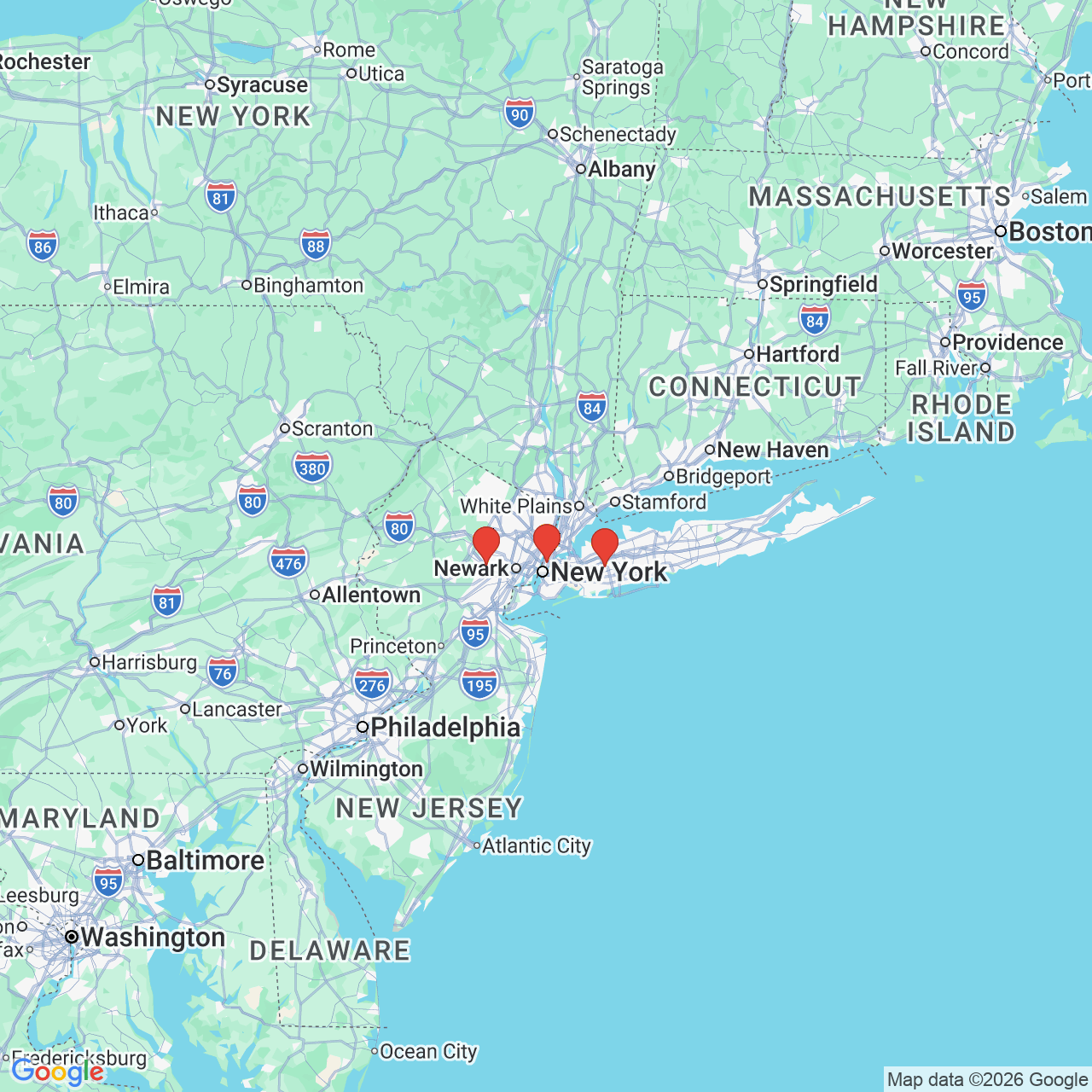
Locations: Garden City, NY (Surgical & Consultation Headquarters) | Manhattan, NY | Short Hills, NJ
At The Hair Loss Doctors with our Surgical Headquarters in Garden City, NY and clinics in Manhattan, NY; and Short Hills, NJ, Dr. Robert J. Dorin helps men and women reverse the effects of hair loss through various surgical and non-surgical treatments including Follicular Unit Transplantation and Follicular Unit Extraction. Our Founder & Medical Director is affiliated with:
For more information, or to schedule a consultation, please contact us online or call (516) 214-6776.
Locations
We have 3 locations the greater New York City area