Although hair restoration does not require intubation or IV sedation, it is still a significant medical procedure, and healing happens in stages. Knowing what typically occurs in the hours, days, and weeks after surgery day can help patients feel prepared, confident, and reassured that each phase of recovery is normal.
At The Hair Loss Doctors By Robert J. Dorin, patients receive detailed aftercare instructions and direct guidance from the doctor and clinical team. This overview is designed to give general expectations and serves as a companion to personalized post-operative instructions.
Immediate Post-Procedure: The First 24 Hours
During the first day, some patients experience mild soreness, tightness, or scalp sensitivity in the donor and recipient areas. This is normal and usually managed with the prescribed medications.
Patients are advised to:
Mild oozing or pinpoint bleeding can occur and typically resolves on its own. The grafts remain secure as long as instructions are followed carefully.
Days 2 to 7: Early Healing & Visible Changes
Within a few days, swelling may appear around the forehead or eyes, especially in FUT patients. This generally resolves naturally.
Patients may also notice:
The first post-operative shampoo should be done as instructed by the clinic and is essential for safe cleansing and softening of scabs. Most patients are able to resume non-strenuous work within a few days.
Week 2 to Week 4: Shedding & Transitional Changes
This phase can be emotionally challenging for some patients, which is why the team remains available for reassurance.
During this period, transplanted hairs commonly shed. This process is expected and is part of the natural hair cycle. The follicles remain healthy beneath the skin and will re-enter the growth stage in time.
Some patients experience temporary shock loss of neighboring hairs. When it occurs, it is usually temporary.
Months 2 to 4: Early Growth Phase
New hair growth typically begins now.
Early growth may appear thin, soft, or fine. This is normal and these hairs will thicken and gain texture over time.
Patients may notice:
Months 6 to 9: Visible Improvement & Maturing Results
This is when most patients notice meaningful change.
Many patients notice renewed confidence during this timeframe as density increases, the hairline takes shape, and fullness becomes more noticeable. By month nine, many patients often achieve approximately seventy to eighty percent of their expected results.
Months 12 to 18: Results & Refinements
Hair continues to thicken and mature for up to eighteen months.
Curl pattern, texture, and density continue to evolve, especially in the crown. Timelines vary based on healing, hair characteristics, and the number of grafts transplanted.
Maintaining Results: Long-Term Hair Health
Transplanted follicles are typically more resistant to DHT, the main hormone associated with pattern hair loss. However, native hair can continue to thin over time, so long-term hair health matters.
Dr. Dorin discusses these maintenance options during the consultation and again after surgery to help protect and support the full look of the restoration. These options may include:
These can help protect and support the overall appearance of the restored hair.
Many patients benefit from simple habits such as:
These steps help support both short-term healing and long-term hair quality.
Every patient is seen for a follow-up visit to evaluate healing, progress, and satisfaction. These visits allow Dr. Dorin to review growth, answer questions, and refine maintenance plans as needed. Patients may schedule additional virtual or in-person appointments as well.
Because Dr. Dorin performs all critical surgical steps personally, every placement and design decision was made with long-term naturalness in mind.
Recovery is monitored with the same level of care, ensuring every patient has ongoing support from the day of the procedure through full maturation of results.
Our team is available to help at any time before or after the procedure. Contact us PAckerman@TheHairLossDoctors.com, call (866) 629-0866 or visit our FAQ page.
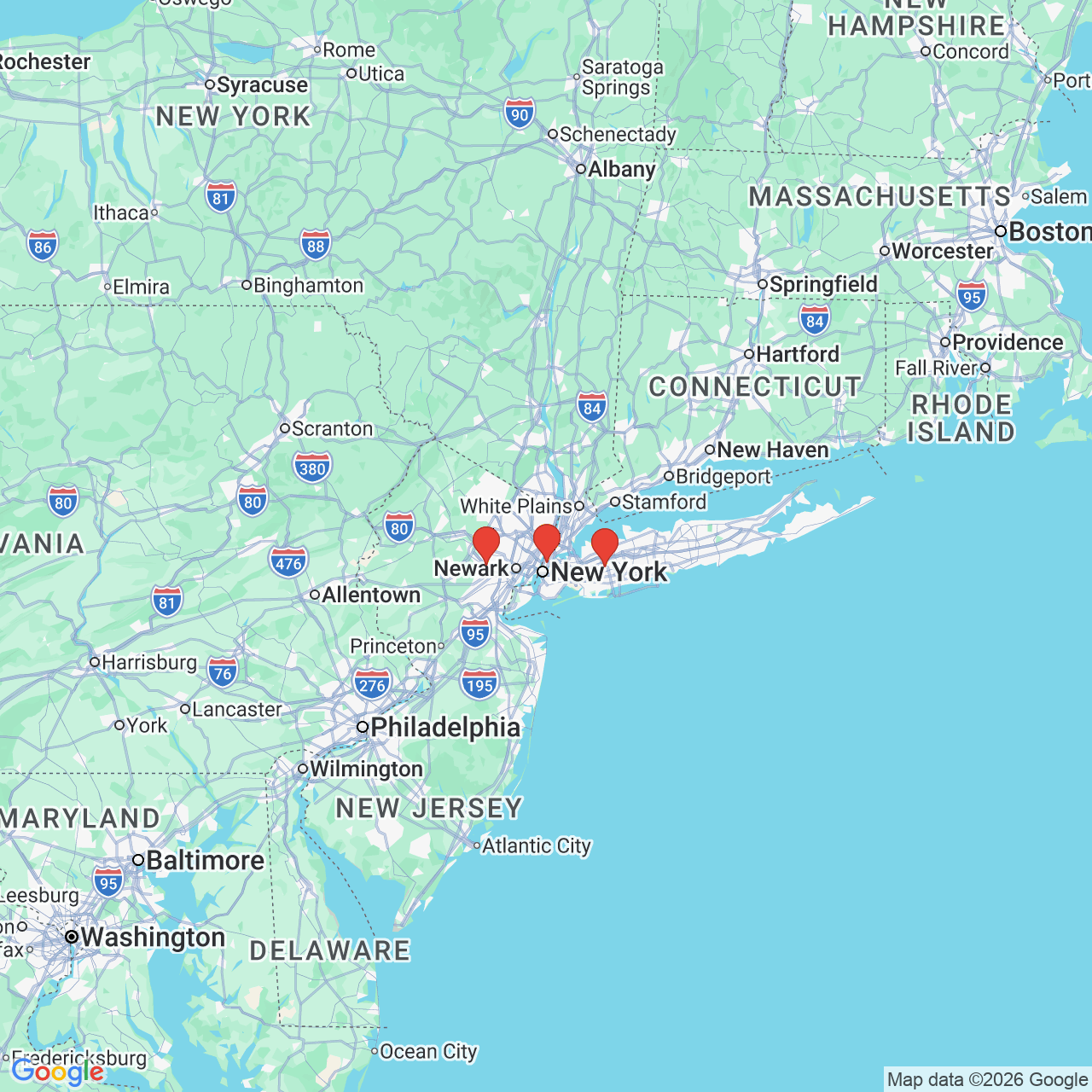
Locations: Garden City, NY (Surgical & Consultation Headquarters) | Manhattan, NY | Short Hills, NJ
Related Blogs:
Hair Transplant Surgery Day: What to Expect
Hair Transplant Aftercare: What to Do And Avoid
What to Expect After a Hair Transplant: Recovery Timeline
At The Hair Loss Doctors with our Surgical Headquarters in Garden City, NY and clinics in Manhattan, NY; and Short Hills, NJ, Dr. Robert J. Dorin helps men and women reverse the effects of hair loss through various surgical and non-surgical treatments including Follicular Unit Transplantation and Follicular Unit Extraction. Our Founder & Medical Director is affiliated with:
For more information, or to schedule a consultation, please contact us online or call (516) 214-6776.
Locations
We have 3 locations the greater New York City area